RowBot: a low-cost rowing power meter
A clip-on sensor system that streams stroke power, stroke rate and blade angles to a phone, designed and validated in Siemens NX for a fraction of the cost of commercial systems.
At a glance · one-minute read
- Goal
- Elite-level stroke data at a club-level price. On-water power meters cost £1,800–£12,000 for a pair of athletes; RowBot had to mount to any shell in minutes.
- My role
- Sole designer and engineer, for my BEng final-year dissertation at Oxford Brookes University.
- Key decisions
- Waterproof foil strain gauges on the oarlock pin for force and a rotary encoder for blade angle. A stainless steel (AISI 310) sensor housing paired with a 3D-printed Nylon 12 communication module. A mesh convergence study before static, fatigue and modal FEA.
- Outcome
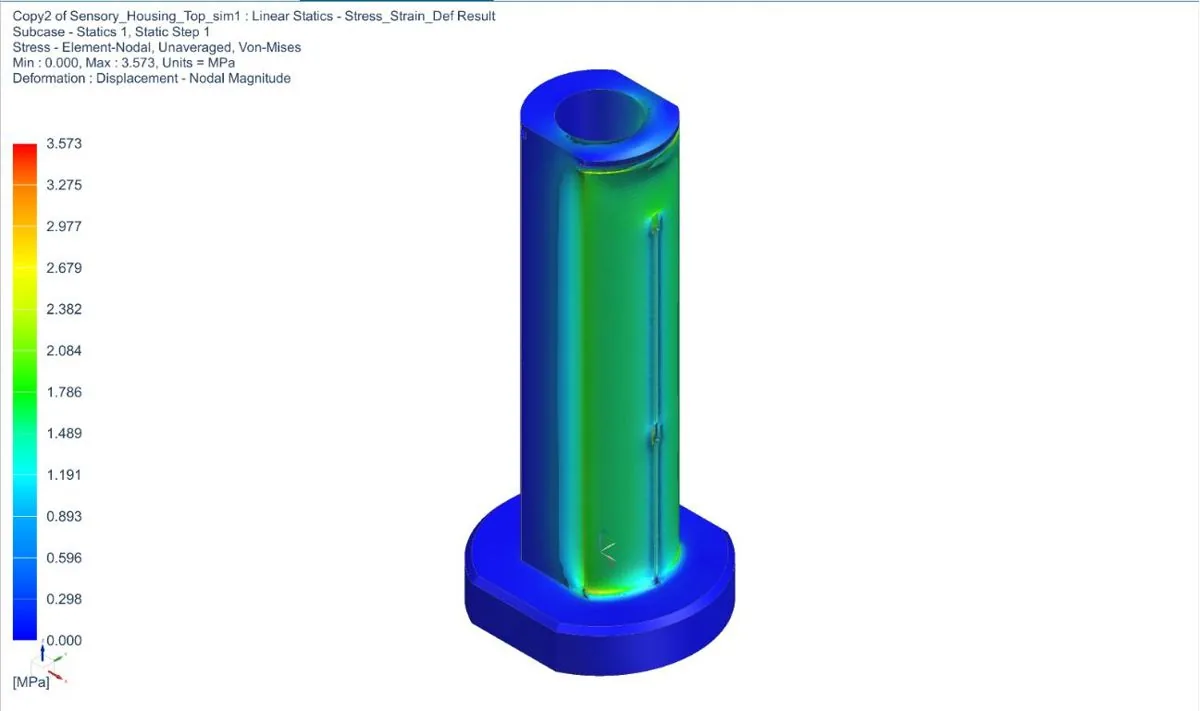
- 3.57 MPa peak stress at the 2,000 N load (205 MPa yield), stroke metrics in 2–3 seconds, and about £224 in parts. 3rd Prize of 500 STEM projects at the Oxford Brookes Enterprise Tech Show.
- Lesson
- Get a physical prototype on the water much earlier, so real-world testing shapes the design rather than just confirming it.
Tools
- Siemens NX
- FEA
- MATLAB
- Product design
- Strain gauges
- BLE
Key numbers
- ~£224prototype cost, vs £1,800–£12,000 for commercial systems
- 2,000 Npeak rowing load the housing was validated against
- 57×margin: 3.57 MPa peak stress vs 205 MPa yield
- 32.7 kHzfirst natural frequency, far above the ~0.6 Hz stroke
The problem
Power is the most direct measure of rowing performance, but on-water power meters cost £1,800–£12,000 for a pair of athletes. That puts stroke-by-stroke data out of reach for most clubs, schools and university crews.
Without live feedback, technique errors go uncorrected and training load is hard to track, which raises injury risk. The goal: elite-level insight at a club-level price, mounting to any shell in minutes.
What I did
- Sensing: compared load sensors and chose waterproof foil strain gauges on the oarlock pin for force, plus a rotary encoder for blade angle.
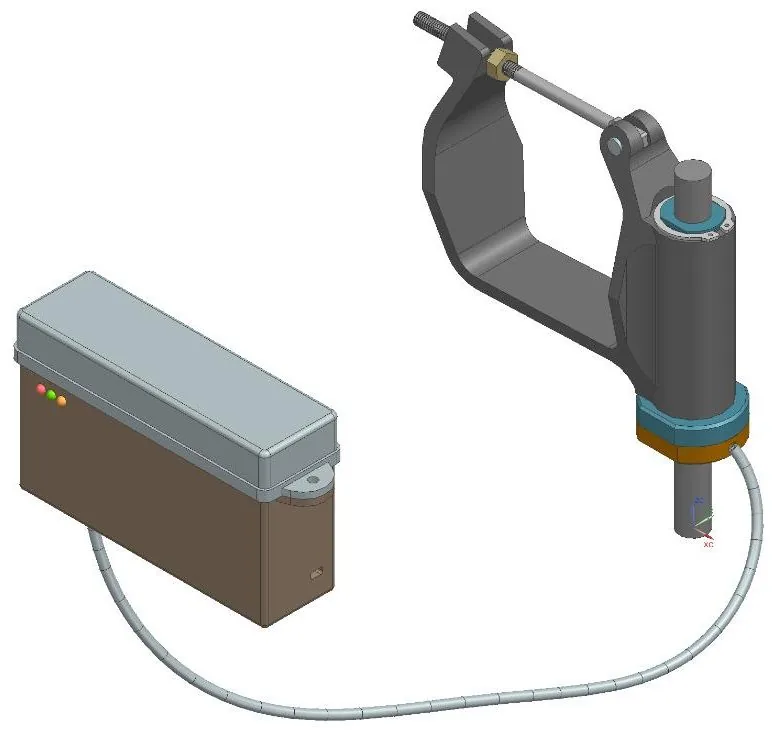
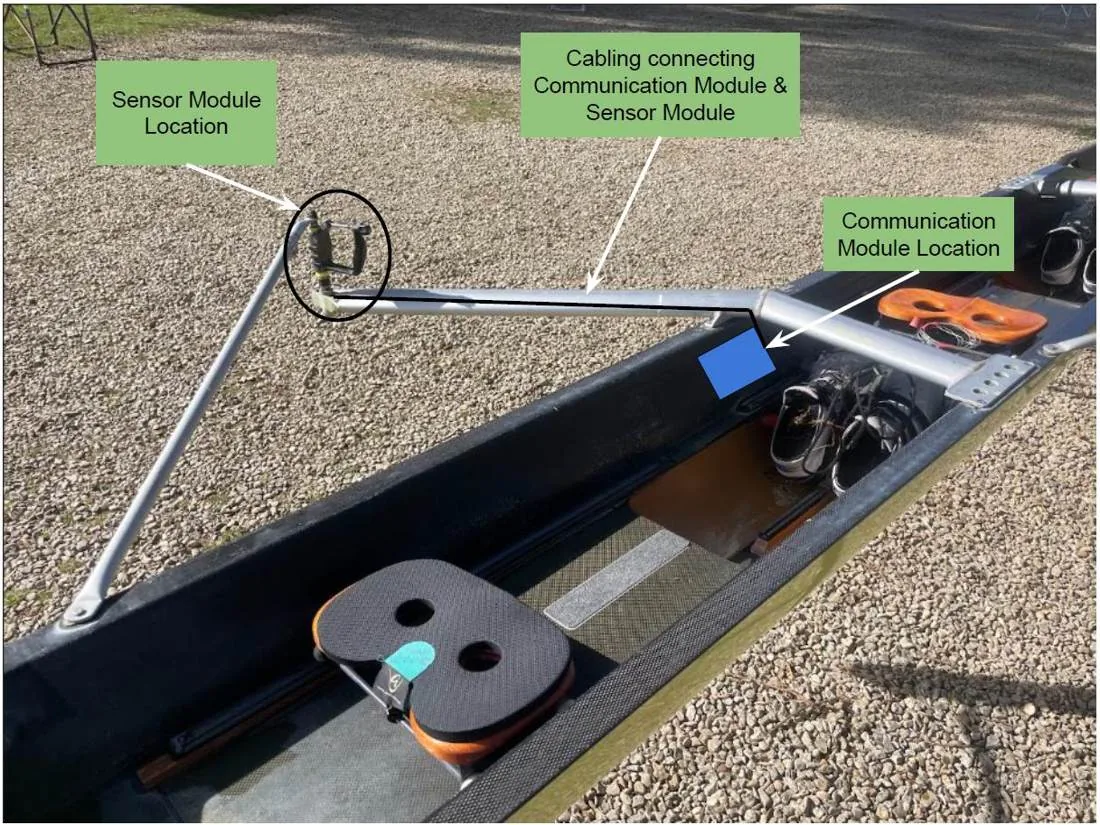
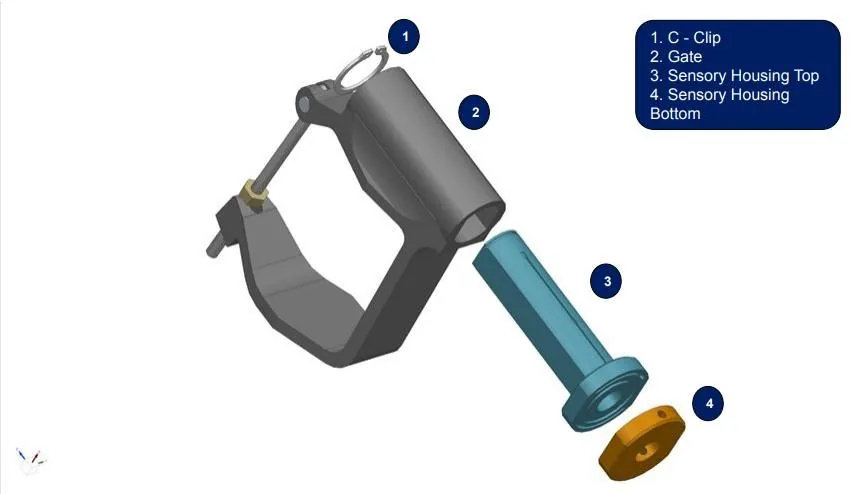
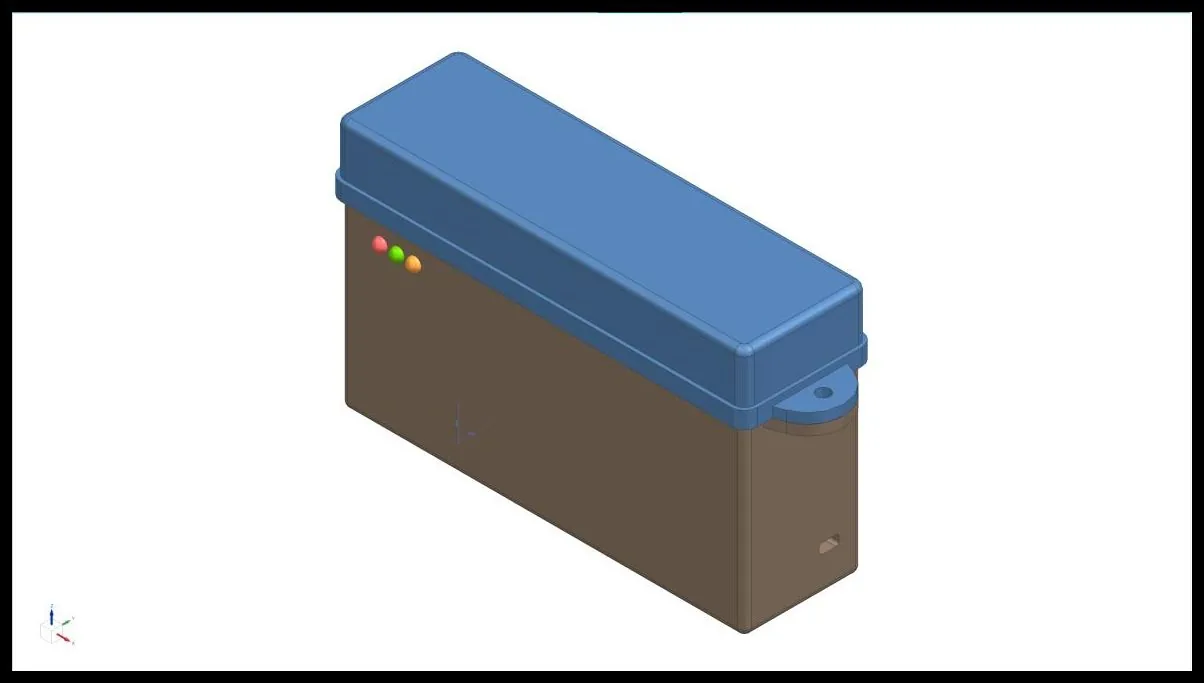
- Design: modelled a two-part system in Siemens NX: a marine-grade stainless steel (AISI 310) sensor housing that slots over the pin, and a 3D-printed Nylon 12 communication module with a BLE microcontroller.
- Simulation: ran a mesh convergence study, then static, fatigue and modal FEA on the gate, a simplified housing and the optimised housing.
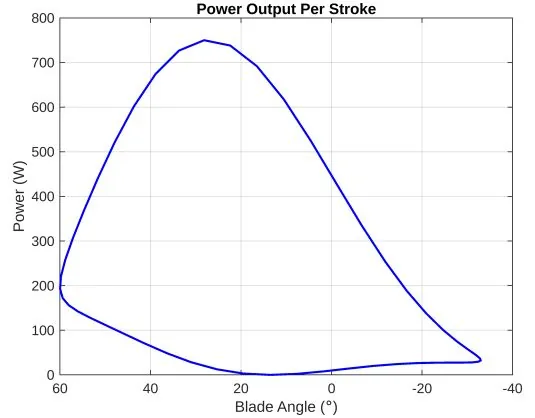
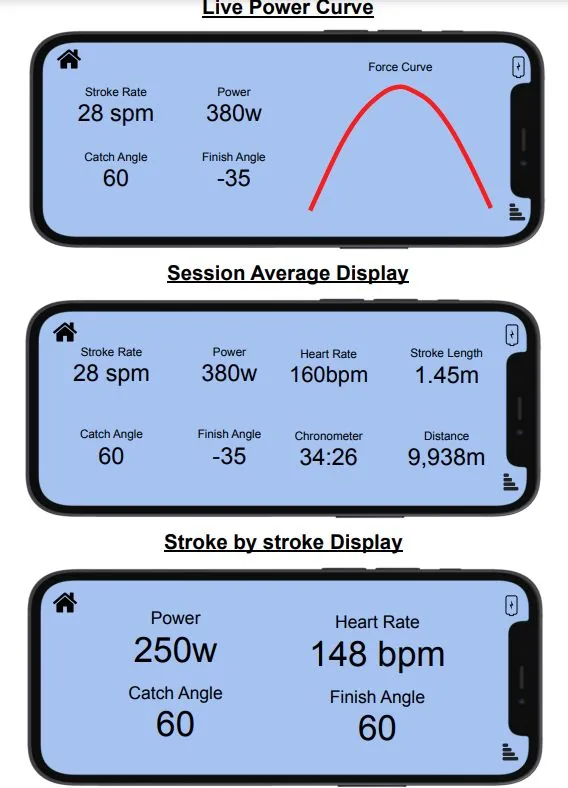
- Data: wrote a MATLAB script that turns raw strain and encoder data into power, stroke rate and catch/finish angles for every stroke.
Results
- The optimised housing held the full 2,000 N peak load at just 3.57 MPa von Mises stress, well under the 205 MPa yield strength.
- Fatigue analysis showed a life far beyond years of daily rowing, and the first natural frequency (32.7 kHz) rules out resonance.
- The MATLAB pipeline produced clean stroke-by-stroke power, rate and angle data in 2–3 seconds, quick enough for feedback between strokes.
- A working prototype costs about £224 in parts, with a path to under £300 per unit at scale.
- Won 3rd Prize at the Oxford Brookes Enterprise Tech Show, out of 500 STEM projects, and was nominated for a National STEM Inspiration Award.
From data to feedback
Looking back
What went well
Taking an idea of my own all the way from concept to a validated design. The FEA workflow was thorough, with a mesh study and static, fatigue and modal checks, and the MATLAB pipeline turned raw sensor data into clean, stroke-by-stroke metrics.
Even better if
I'd get a physical prototype on the water much earlier, so real-world testing could shape the design rather than just confirm it. I'd also move processing off MATLAB sooner to reach true real-time feedback, and design the housing for injection moulding from day one.
What’s next
- Build a waterproof, field-ready prototype and start on-water testing with athletes and coaches.
- Move processing from MATLAB to embedded code or Python for true real-time feedback.
- Combine BLE, GPS and motion sensing on a single chip and redesign the housing for injection moulding.